
15 Jan 2026
How to choose the right bearing for the job — made simple
Six principles for choosing a bearing that every maintenance engineer should know, from the direction of the load and the running speed…
Read articleThe correct procedure for fitting a bearing, from preparing the area and measuring the shaft to heat mounting and getting the amount of grease right.
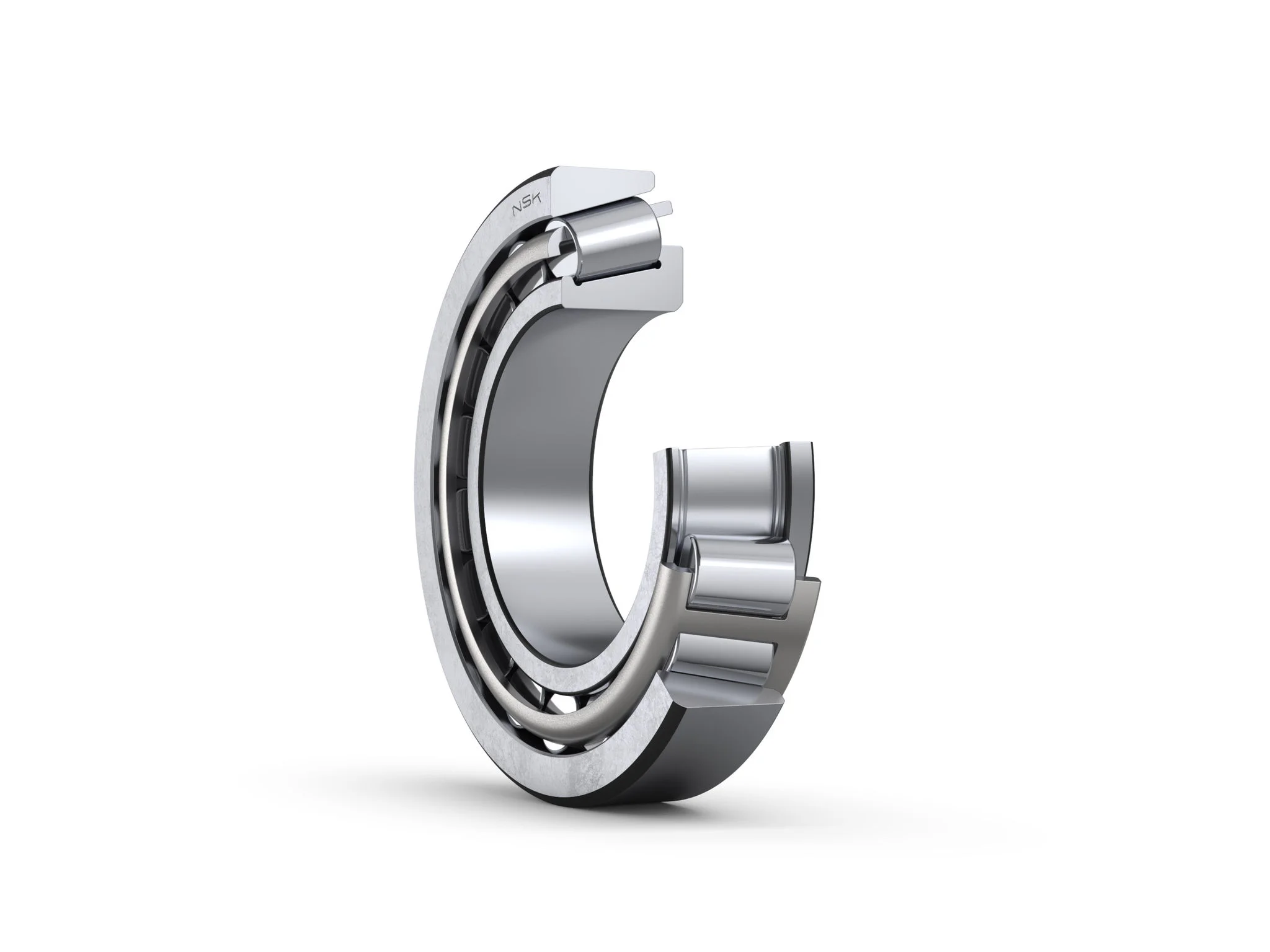
The fitting area should be clean and dry, away from grinding or welding that throws off metal particles. The tools you want are a vernier or micrometer, a fitting sleeve, an induction heater and heat-resistant gloves. Do not open the bearing packaging until you are genuinely ready to fit it.
Measure the shaft and the housing bore in at least two positions at right angles to each other, to check for ovality and wear, and compare them against the manufacturer's tolerances. As a rule the rotating ring — usually the inner — is an interference fit, while the stationary ring is a transition to slightly loose fit.
Use a fitting sleeve that touches only the ring being pressed on, and never drive force through the rolling elements. To press on the inner ring, use a sleeve that matches the inner ring; to press both rings at once, use a sleeve that contacts both. Tap gently and evenly all the way round.
Heat the bearing with an induction heater or in a bath of clean oil to roughly 80–90 degrees Celsius above the shaft temperature, but never above 120 degrees Celsius, which changes the structure of the steel and reduces its hardness. Slide it onto the shaft right up to the shoulder straight away and hold it there until it has cooled.
Fill the free space inside the bearing itself, but fill the housing to only 30–50% of its free volume for normal speeds, and 20–30% for high speeds. Too much grease is one of the leading causes of abnormally high temperatures after a repair.
Turn the shaft by hand and listen for unusual noise or stiffness, then run the machine gently and measure the temperature at the housing surface. Normally it rises at first and then settles. If the temperature keeps climbing, stop the machine and investigate immediately.
Need a fitting sleeve, a bearing heater or high quality grease? Get in touch with our team.
Ask our team
Six principles for choosing a bearing that every maintenance engineer should know, from the direction of the load and the running speed…
Read article
Maintenance records show that most bearings do not fail from old age, but because of installation, lubrication…
Read article
Decode 6205ZZ C3, 22310K, NU210 and other part numbers so you know what each digit stands for…
Read articleSend us the part number, or a photo of the old part. Our specialists will find the right product and reply with pricing within one business day.