
10 Feb 2026
7 reasons bearings fail early, and how to prevent it
Maintenance records show that most bearings do not fail from old age, but because of installation, lubrication…
Read articleSix principles for choosing a bearing that every maintenance engineer should know, from the direction of the load and the running speed through to clearance and grease selection
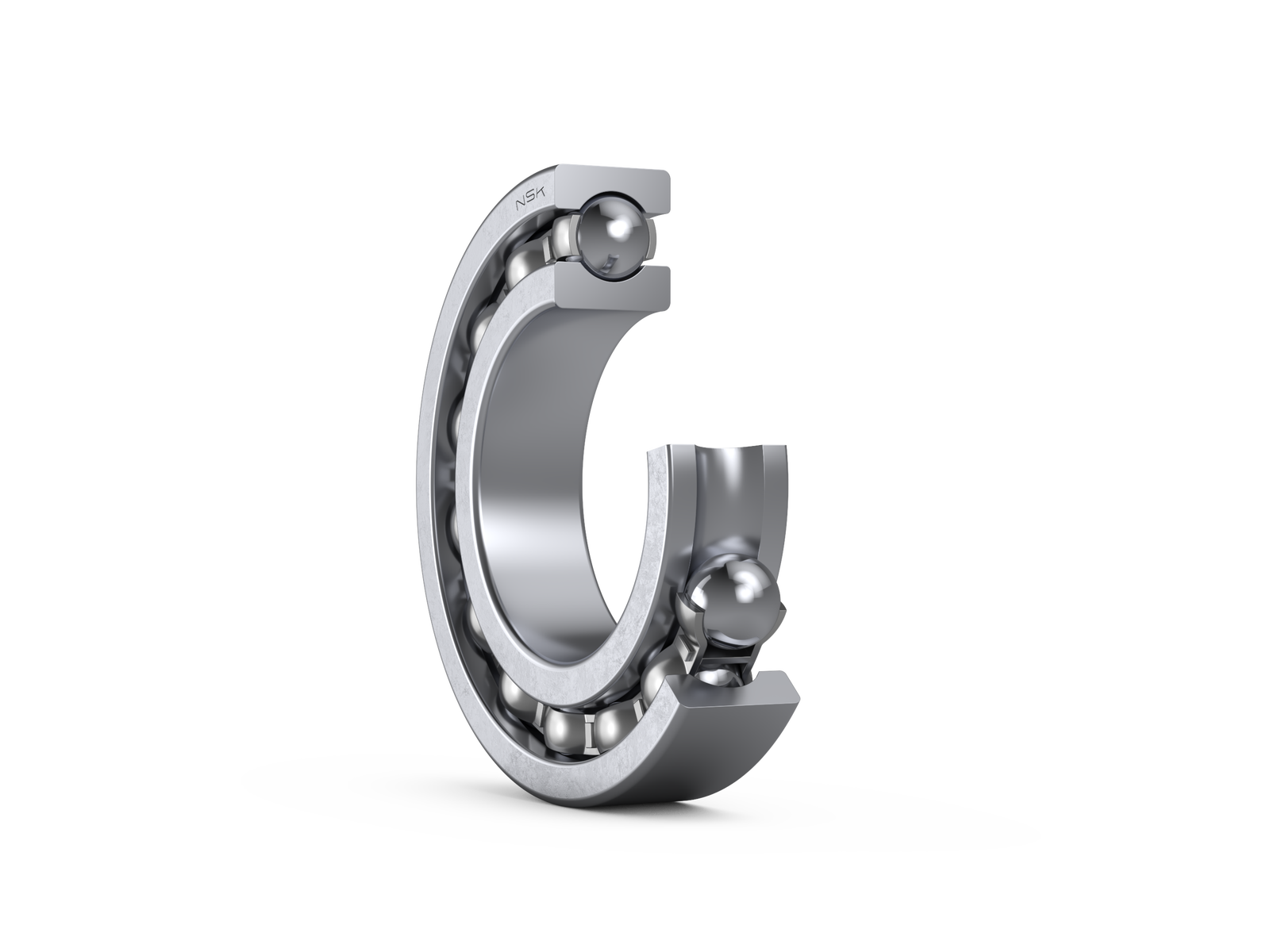
The first step in choosing a bearing is to establish whether the load is radial, axial (thrust), or a combination of the two. For purely radial load, a deep groove ball bearing or a cylindrical roller bearing fits best. Where there is high axial load as well, choose a tapered roller or angular contact bearing. And where the load is purely axial, use a thrust bearing.
| Type of load | Recommended type |
|---|---|
| Mainly radial, high speed | Deep groove ball (6000/6200/6300) |
| Very high radial | Cylindrical roller (NU/NJ/N) |
| High combined load | Tapered roller (30200/32200) |
| Purely axial | Thrust (51000/52000) |
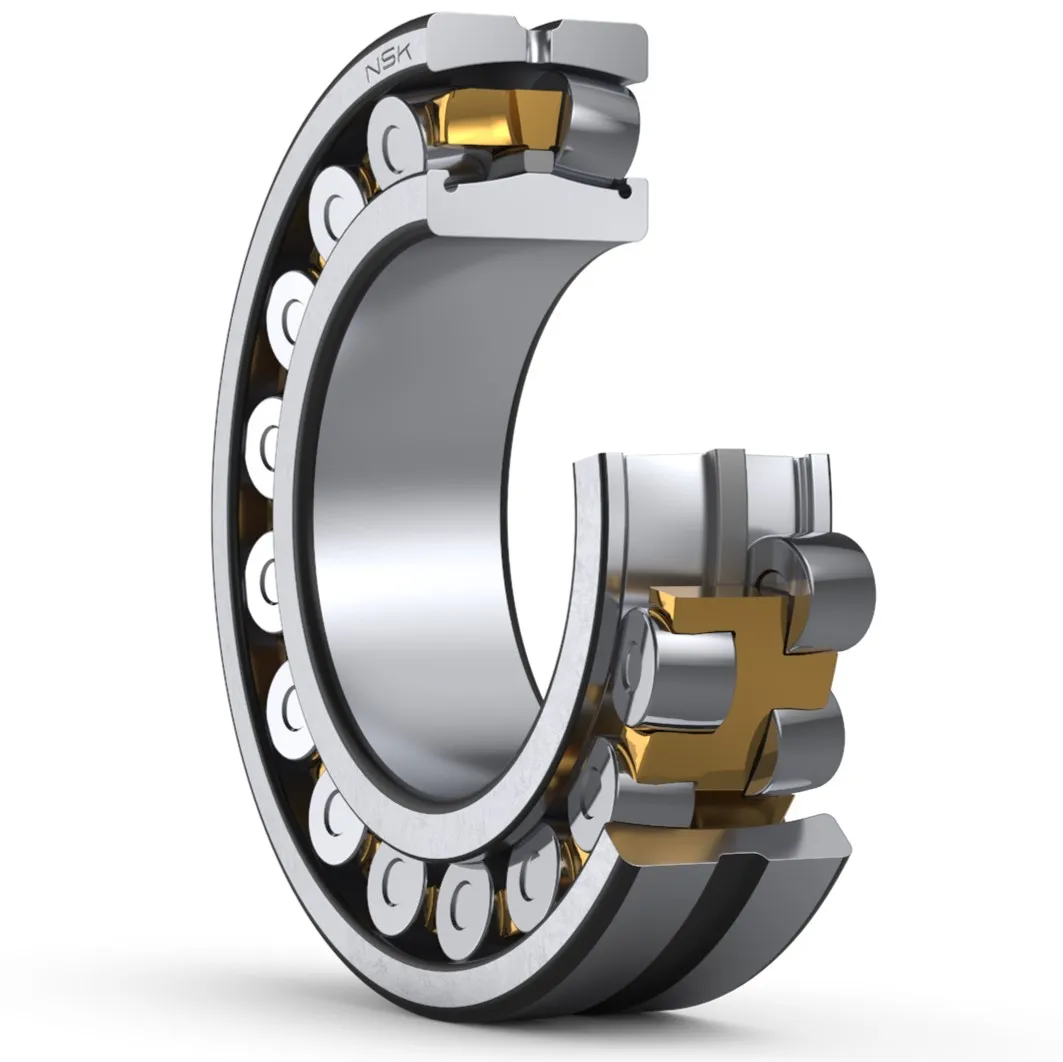
| Heavy duty with misalignment | Spherical roller (22200/23000) |
The faster it runs, the more heat friction generates. Ball bearings have the lowest friction and so suit high speeds, while tapered and spherical roller bearings have a larger contact area and are limited to lower speeds. For very high speed spindle work, consider P4 class super precision bearings or hybrid ceramic versions, which noticeably reduce heat build-up.
The most common cause of premature failure in a plant is out-of-line mounting. If the machine structure can flex, the shaft is long, or the mounting base is not rigid enough, choose a self-aligning bearing — a self-aligning ball bearing, a spherical roller bearing or a bearing unit — which will take up 1.5–3 degrees of misalignment.
Clearance is the internal gap inside the bearing before it is fitted. Standard CN suits general duty at moderate temperatures. C3 suits hotter work, such as a continuously running motor, or a tight interference fit on the shaft, because expansion consumes part of the clearance. C4 is for very hot applications or exceptionally tight fits. Too little clearance creates unintended preload, and the bearing runs hot and fails quickly.
Open bearings are for systems lubricated from outside or running in an oil bath. Steel shields (ZZ) keep out coarse dust while keeping friction low. Rubber seals (2RS/VV/DDU) seal best in dusty, humid conditions, at the cost of a slightly lower maximum speed. For grease, look at the operating temperature range and never fill more than 30–50% of the free space in the housing, because too much grease causes heat to build up.
The market is full of copies that look like the genuine article but use completely different materials and heat treatment. The result is a service life many times shorter, and possibly wider damage to the machine. Buying from a distributor who can trace the source is the most worthwhile risk you can remove.
Not sure which model you need? Send us the part number or a photo of the old part and our engineers will take a look, free of charge.
Ask our team
Maintenance records show that most bearings do not fail from old age, but because of installation, lubrication…
Read article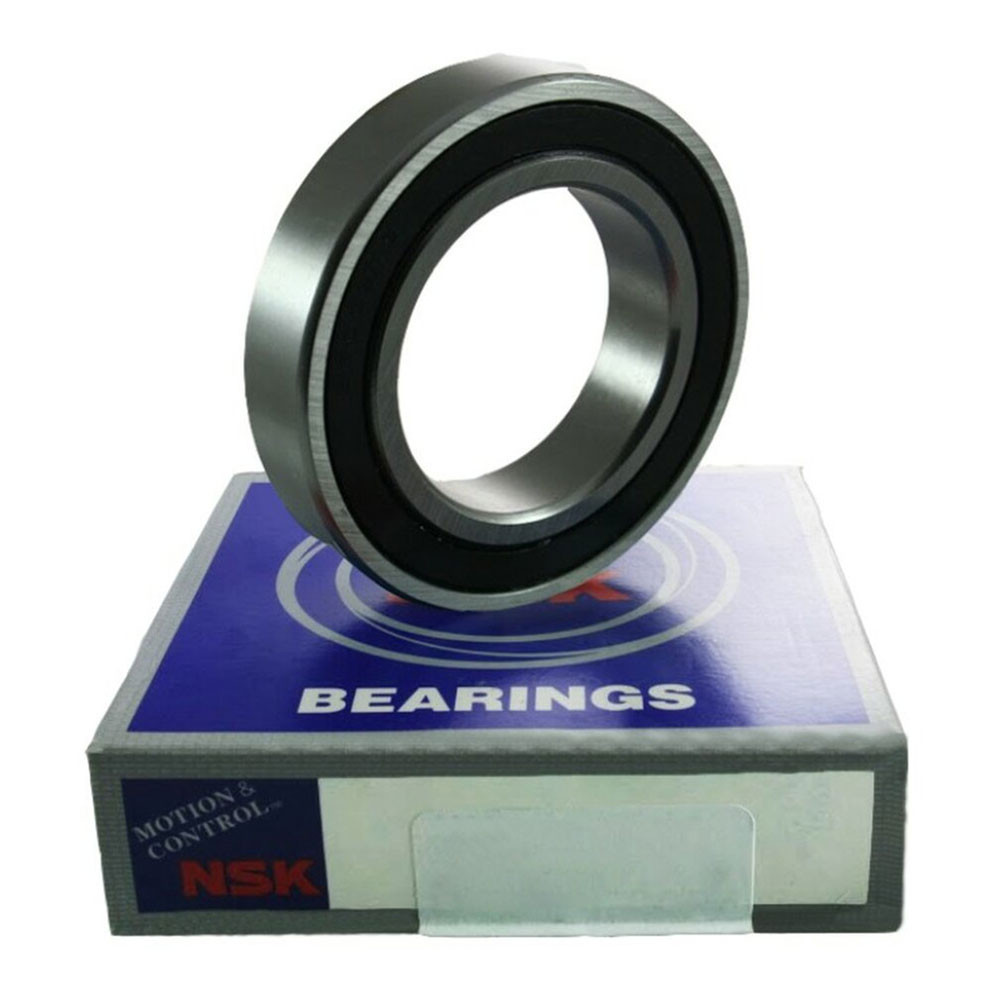
Decode 6205ZZ C3, 22310K, NU210 and other part numbers so you know what each digit stands for…
Read article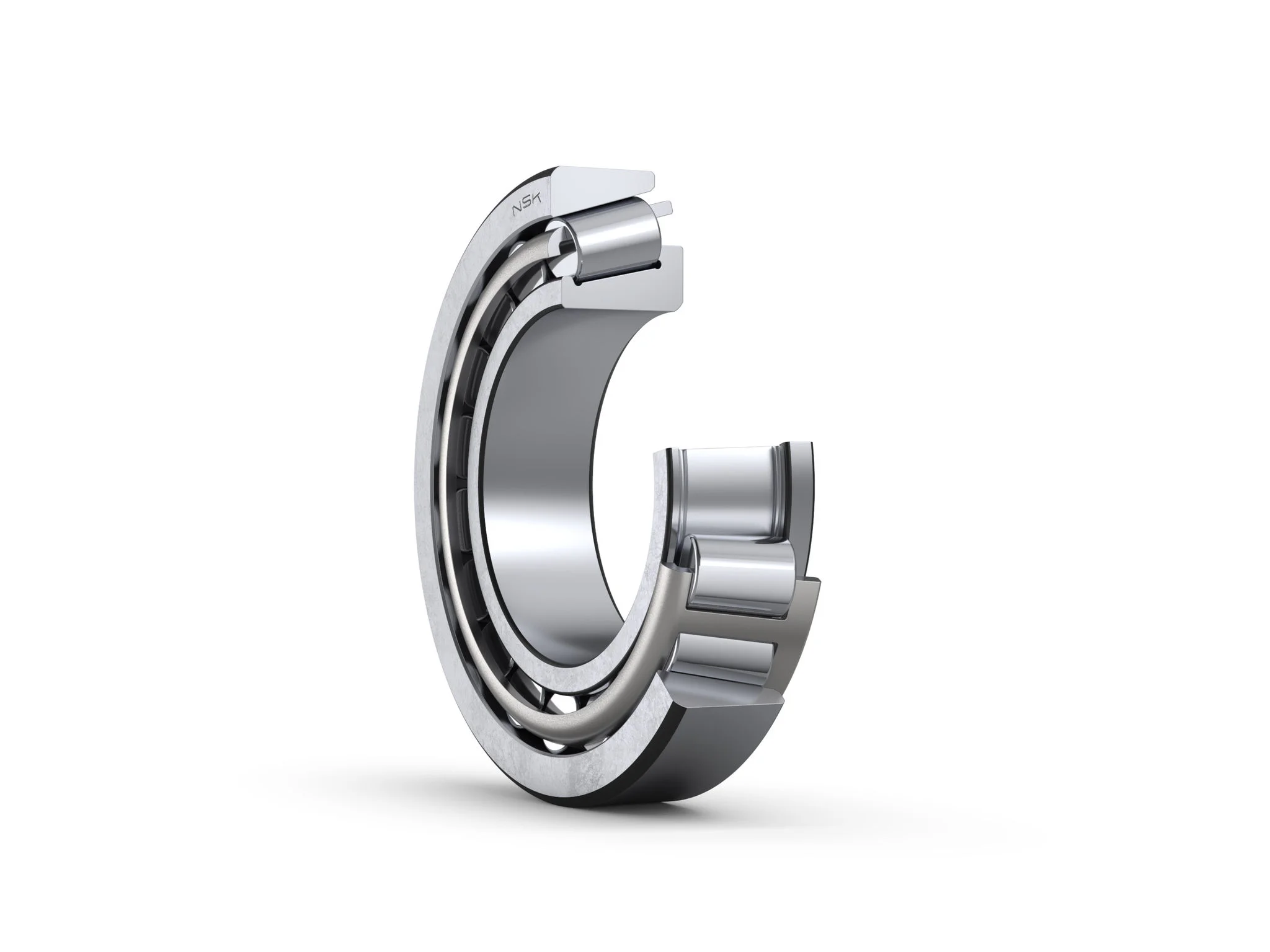
The correct procedure for fitting a bearing, from preparing the work area and measuring the shaft to heating methods…
Read articleSend us the part number, or a photo of the old part. Our specialists will find the right product and reply with pricing within one business day.